Best Meditation Apps for Busy Routines: Reduce Stress in 2025
In today’s world, maintaining mental balance has become a daily challenge. With packed schedules, traffic, demands, and constant access to information, our bodies and minds feel the impact of continuous pressure.
Meditation apps emerge as practical allies, allowing for short breaks to prioritize well-being, even on hectic days. They offer accessible resources that fit into any routine, providing stress and anxiety relief with just a few minutes of use.
With personalized solutions and quick exercises, these apps make adopting meditation easier. They are reliable tools for anyone seeking more calm and focus, even when time is short.
Why Integrate Meditation into a Busy Routine
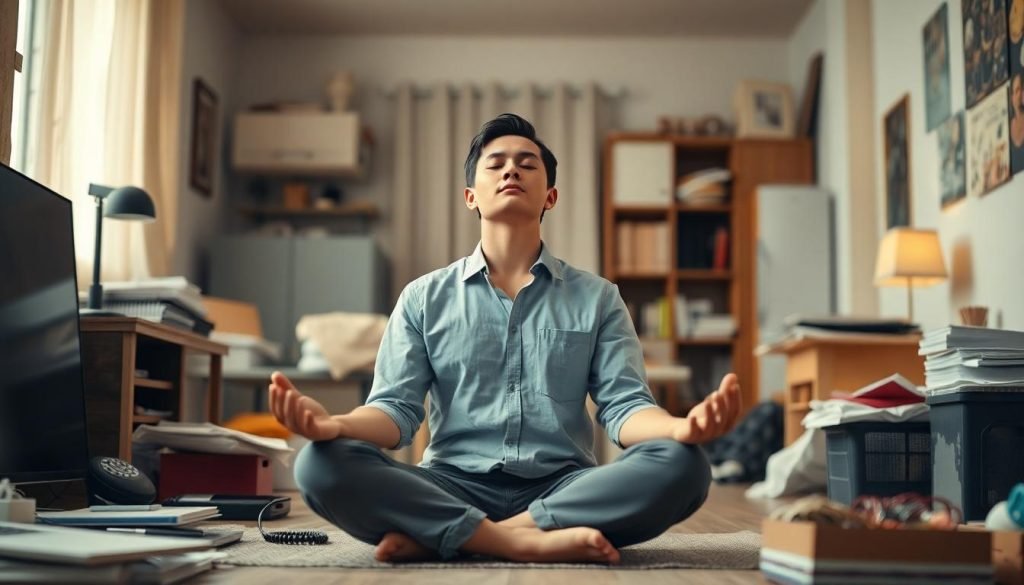
With a packed schedule and constant responsibilities, finding time to care for mental health can seem impossible. However, incorporating meditation, even in small daily intervals, can transform your quality of life. Recent research shows that short practices—even as brief as 20 seconds—already offer concrete benefits for well-being. Read on to understand how meditation stands out for those living on autopilot.
The Relevance of Meditation for Busy People
Meditation doesn’t demand extra time; it fits into the minutes between one commitment and another. Studies indicate that techniques like mindfulness improve productivity, aid focus, and reduce the impact of constant stress. According to specialized publications, consistent application of these practices stimulates:
- Proven reduction in cortisol levels, the hormone associated with stress.
- Decrease in anxiety and depressive symptoms.
- Increased mental clarity, even after short sessions.
For those with a busy routine, the ability to improve health without having to stop everything is a key differentiator. Meditation apps contribute precisely to this adaptation, making breathing practices, self-compassionate touch, and guided relaxation accessible during any break.
Proven Benefits: Mental, Emotional, and Physical Balance
Science confirms: meditating impacts both mind and body. Recent data shows that practicing mindfulness helps modulate brain areas linked to emotional regulation, memory, and empathy. Among the most noted benefits are:
- Stress reduction: Brief meditation sessions show results comparable to longer practices in reducing perceived stress.
- Improved sleep: Meditators report more peaceful nights and better quality rest.
- Strengthening physical health: Lower blood pressure, pain management, and reduced propensity for inflammatory responses.
- Emotional resilience: Increased self-compassion, patience, and stability in the face of daily challenges.
Even informal practices, like taking a deep breath before a meeting or walking while paying attention to your body, can make a difference.
Daily Micro-practices: Small Breaks, Big Results
Integrating meditation means adopting micro-practices, or quick exercises throughout the day. They are especially effective for busy people, as they don’t require an isolated environment or a lot of free time.
Maintaining focus on an anchor—your breath, sounds, or a physical sensation—for just a few minutes can trigger brain changes. Here are examples of micro-practices that fit into any routine:
- Three minutes of mindfulness upon waking.
- A conscious breathing break before a commitment.
- Self-compassionate touch, like a self-hug or gentle pats on the hands, during moments of tension.
Recent research identifies that about 43% to 58% of people notice significant improvement in anxiety symptoms, even when practicing meditation briefly and repeatedly throughout the day.
Scientific Evidence of Efficacy for Fast-Paced Routines
The recognition of meditation as a complementary health practice is reflected in its growing adoption in corporate, academic, and even hospital environments. Reports from 2024 and 2025 show:
- Up to a 60% reduction in anxiety levels with guided meditation via app.
- Decreased use of stress-controlling medications among frequent practitioners.
- Improved concentration and faster decision-making.
These data highlight that short breaks, organized and accessible through apps, are not just palliative—they have robust backing and continuous results for those who can’t give up a fast-paced routine.
Essential Features of Meditation Apps
In the context of a busy routine, a meditation app only makes sense if it saves time, facilitates habit formation, and delivers results even on hectic days. The best options on the market in 2025 follow this logic: intuitive interface, quick sessions, personalization, progress tracking, and accessibility are indispensable requirements to transform a few minutes into real stress relief and encourage consistency.
Quick Sessions and Guided Practices
Short sessions, from 3 to 10 minutes, are indispensable for those with packed schedules. The great strength of these apps is allowing self-care breaks that genuinely fit into daily life.
Why quick sessions work:
- Reduce the barrier to entry: Just a few minutes are enough to experience tangible benefits, such as immediate stress reduction or improved focus before a meeting.
- Facilitate consistency: Short sessions can be fitted into a coffee break, during commutes, or even before bed.
Professional guidance makes a difference by leading users through simple and safe practices, even for beginners. Leading apps (Calm, Headspace, Zen, Insight Timer) offer guided practices such as:
- Conscious breathing exercises.
- Progressive muscle relaxation guided by voice.
- Brief mindfulness meditation, focusing on body and sensations.
- 5-minute body scans to relieve accumulated tension.
Some apps even offer a “Session of the Day” feature, suggesting different practices according to the time, mood, or emotional need of the moment. This helps maintain motivation and transforms small breaks into restorative experiences.
Progress Tracking and Smart Notifications
Building a habit requires consistent encouragement—and apps excel at fostering this commitment. Tracking tools record each completed session, displaying progress graphs, consecutive day streaks, and best practice times.
Valuable features include:
- Automatic reminders and personalized schedules to suggest the best time of day based on the user’s pattern.
- Smart notifications that not only remind but also celebrate small achievements (“You meditated 5 days in a row!”, “Congratulations on your new record!”).
These elements stimulate a sense of progress and belonging—somewhat like earning points in a game. Weekly or monthly reports show:
- Total minutes meditated.
- Daily/weekly frequency.
- Preferred meditations.
For those using wearable devices, such as smartwatches or fitness trackers, integration allows heart rate data or stress levels to be analyzed alongside app sessions, helping to visualize physiological improvements in daily practice.
Personalization and Accessibility
Personalization ensures that the meditation app experience adapts to each person’s profile and needs. Users can choose not only the type of meditation (mindfulness, self-compassion, relaxation for sleep) but also soundtracks or the instructor’s voice.
Main forms of personalization:
- Ambient music selection: nature sounds, white noise, mantras, or silence.
- Choice of instruction language and subtitles.
- App visual themes (dark mode, soft colors for eye relaxation).
- Adaptation for group or individual sessions.
Accessibility is also a priority: leading apps offer content in Portuguese, audio description options, and usability for visually or hearing-impaired individuals. Many also provide an offline mode, ideal for travelers, those working in areas without internet, or simply those who prefer to turn off notifications and focus on the present moment.
These features expand usage possibilities, making the habit of meditation increasingly democratic—and real for those living challenging daily lives.
Top Meditation Apps for Busy Routines

The variety of meditation apps in Brazil broadens access to mental health, even for those who only have short breaks throughout the day. Choosing an app that suits a busy routine requires looking at features, language, cost-effectiveness, and practicality. Below, see the highlights among international and national platforms, with the decisive characteristics for those who need quick and consistent results.
Headspace, Calm, and Insight Timer: Focus, Benefits, Costs, and Portuguese Resources
Among the most well-known apps, Headspace, Calm, and Insight Timer meet different needs by offering sessions tailored for those seeking efficiency, accessible language, and daily flexibility.
Headspace
- Focus: Structured method with expert-guided programs, ranging from an introduction to mindfulness to specific modules for stress and insomnia.
- Benefits: Uncomplicated interface, 3 to 10-minute sessions, and educational animations that facilitate quick learning.
- Cost: Limited free plan. Premium subscription approximately R$ 199.90/year, unlocking complete meditations, sleep sessions, and thematic exercises.
- Portuguese Resources: Part of the content available in Portuguese, with translation and subtitles; user-friendly interface also in Portuguese.
Calm
- Focus: Mindfulness with an emphasis on relaxation, sleep, and anxiety relief, offering narrated stories, exclusive ambient sounds, and meditation sessions between 5 to 25 minutes.
- Benefits: Large library of sleep stories—including some narrated by celebrities—, breathing resources, and soundtracks to aid short breaks.
- Cost: Free version with restricted selection; annual subscription (R$ 199.90) unlocks full access, including new weekly programs and complete customization.
- Portuguese Resources: App and sessions localized in Portuguese; good support for the Brazilian public for navigation and daily practice.
Insight Timer
- Focus: Democratization of access with a huge free library, guided reflections, and a meditation group with participants from all over the world.
- Benefits: Over 100,000 free meditations, diverse themes (focus, anxiety, gratitude, sleep), organized by duration to fit into any daily interval, progress journals, and an active community.
- Cost: Free with a vast offering; monthly subscription (R$ 39.90) offers courses, workshops, and exclusive series.
- Portuguese Resources: Recognized for its large offering in Portuguese and segmented search options by language; a favorite among beginners and advanced practitioners in Brazil.
Comparative Summary:
- Ease of Use: All offer short sessions.
- Personalization: Headspace and Calm provide suggestions based on goals. Insight Timer offers filters to quickly find quick practices.
- Portuguese Content: Insight Timer and Calm have more localized resources.
Zen, Meditopia, 5 Minutos, and Other Brazilian Apps
In the national scenario, some applications stand out for considering the busy routines of Brazilians, bringing practicality, simplicity, and cultural adaptations.
Zen
- Strengths: Specialized in mindfulness, guided meditations for anxiety, focus, self-knowledge, and even relationships. Features relaxing soundtracks, modern visuals, and quick access to daily sessions.
- Differentials: 100% Portuguese content, progress personalization, motivational messages, and experiences that encourage self-care practically, even in a few minutes.
- Resources and Costs: Free version with daily selections and premium plans unlocking complete programs and thematic meditations.
Meditopia
- Strengths: Comprehensive approach, with programs divided by themes such as anxiety, sleep, self-compassion, and stressful professional life. Short sessions that facilitate fitting into the schedule.
- Differentials: Welcoming narratives, breathing exercises, and gratitude journals.
- Resources and Costs: Extensive library in Portuguese – free with basic functionalities, subscription unlocks advanced resources and guided series.
5 Minutos: Eu Medito
- Strengths: Extreme practicality, aimed at those with only a few minutes available. The app offers short, five-minute meditations, without fuss, guiding the user always with relaxing soundtracks and accessible language.
- Differentials: Automatic reminders feature and intuitive interface, effective for creating a daily habit.
- Resources and Costs: Free, no intrusive ads, focused on promoting consistency with just a few clicks.
Other popular national apps:
- Lojong: Complete mindfulness courses, self-compassion series, and 100% Portuguese educational content, focused on progressive evolution.
- Medite.se: Quick sessions, thematic tracks, and progress tracking features, designed for users who want practicality and integration into daily life.
These apps stand out in Brazil because they value micro-practices, flexible schedules, and language aligned with local culture. They streamline steps, simplify the experience, and make it easier to start and maintain the habit of meditating even for those who don’t see themselves as “zen.”
Main advantages of national apps:
- Content adapted to the Brazilian reality, with everyday themes and cultural guidance.
- Robust free options and less reliance on subscriptions.
- Agile support and local community, favoring engagement and practical tips.
By opting for Brazilian platforms or those adapted to the language, users save time and find moments of pause more spontaneously, even in the most demanding schedules.
How to Make Meditation a Sustainable Habit in a Busy Schedule
In a busy routine, taking a few minutes to meditate requires intention and commitment. Often, the biggest difficulty isn’t in practicing, but in maintaining regularity. With small changes in attitude and the support of apps, it’s possible to create a habit that truly sticks, even on the busiest days. The secret lies in choosing the right times, strategically setting reminders, and selecting quick practices, always adapting the experience to your own needs.
Choosing the Best Times to Meditate
Meditating doesn’t demand drastic changes. The right time is the one that best fits your daily life. Research and experts recommend some more opportune periods to ensure consistency:
- In the morning: Right after waking up, the mind is less overloaded, making it easier to concentrate. A short session before your first tasks of the day increases disposition, reduces anxiety, and prepares you for challenges.
- During lunch break: Taking a break to meditate during lunch provides immediate relief from work tensions, improves digestion, and contributes to a more balanced afternoon.
- In the late afternoon: A quick break at the end of the workday reduces mental fatigue and helps with the transition from work to personal time.
- Before bed: For those who struggle with insomnia or a racing mind at night, guided sessions and breathing practices slow down the body and induce better quality sleep.
The most important thing isn’t to follow a fixed rule, but to experiment with different times until you find one where the chance of maintaining the habit is highest.
Setting Up Smart Reminders and Notifications

Memory can fail when you have many tasks, but meditation apps help overcome this obstacle. Smart reminders are important allies for habit creation:
- Personalized notifications: Program the app to send reminders at strategic times, such as after breakfast or before bed. The subtle chime of the notification serves as an invitation to pause.
- Positive reinforcement: Many apps display encouraging messages when you complete sessions or break consecutive day records, which increases motivation.
- Frequency adjustment: Prefer daily notifications for the first few days. As the habit strengthens, keep reminders only for the times that work best for you.
When using calendar tools, you can also reserve time blocks for practices, integrating meditation directly into your digital planning.
Selecting Short and Adaptable Practices
Time is valuable, and breaks need to be efficient. Short practices are ideal for busy schedules, as they avoid the feeling of lost productivity:
- 3, 5, or 10-minute sessions: Most apps offer quick options, focused on relaxation, focus, breathing, or self-compassion.
- Micro-practices: Deep breathing exercises, accelerated body scans, and guided meditations focused on specific feelings are easy to fit even into waiting times or commutes.
- Theme rotation: To avoid fatigue, alternate practice types: mindfulness in the morning, relaxation at night, gratitude in the middle of the day.
Variety increases interest and makes it more natural to include meditation in different daily contexts.
Smart Use of Apps to Ensure Regularity
Modern apps go beyond being a simple timer. They offer dynamic features that maintain engagement and help overcome lack of time or motivation:
- Progress tracking: Visualize daily or weekly graphs, celebrate achieved goals, and monitor the development of your practice.
- Automatic session suggestions: Some apps recommend practices based on your mood, available time, or time of day.
- Offline mode: Download sessions for access without an internet connection, useful for travel or long commutes.
- Community and challenges: Participate in collective challenges or meditation groups to feel support and exchange experiences, even remotely.
For those who regularly use smartwatches or virtual assistants, integrating the app with these devices further simplifies the process.
Practical Tips to Fit the Habit into Daily Life
Adopting meditation as part of your routine is easier when the practice is flexible. Small attitudes make a difference:
- Use headphones to isolate ambient noise anywhere.
- If you miss a session, resume at the next free time without self-criticism.
- Make meditation a “mini-ritual,” linking it to existing habits, such as after brushing your teeth or before drinking coffee.
- Start with the shortest possible session. Frequency is more important than duration.
- Create visual reminders in your environment, like a post-it on your computer screen or an image on your phone.
With consistency and adaptations to your own rhythm, meditation, supported by apps, ceases to be an obligation and becomes a possible refuge—even for those who never stop.
Conclusion
Taking care of mental health is within reach for those with just a few free minutes a day. Meditation apps show that it’s possible to find balance without radical changes to your routine. With so many specialized options and content in Portuguese, simply choose the app that best suits your preferences and personal challenges.
Incorporating short sessions into your daily life brings visible benefits for focus, sleep, and well-being. The combination of technology and guided practices makes emotional care practical and effective, even in the face of intense demands.
Try including meditation in your day, whether in the morning or during work breaks. Consistency is built gradually. Choose your favorite tool and allow yourself to start this self-care journey—your mind will thank you. Share your progress and inspire others to do the same. Thank you for reading.